.png)
 (1).png)
.png)
.png)


.png)


.png)



 December 21,2025
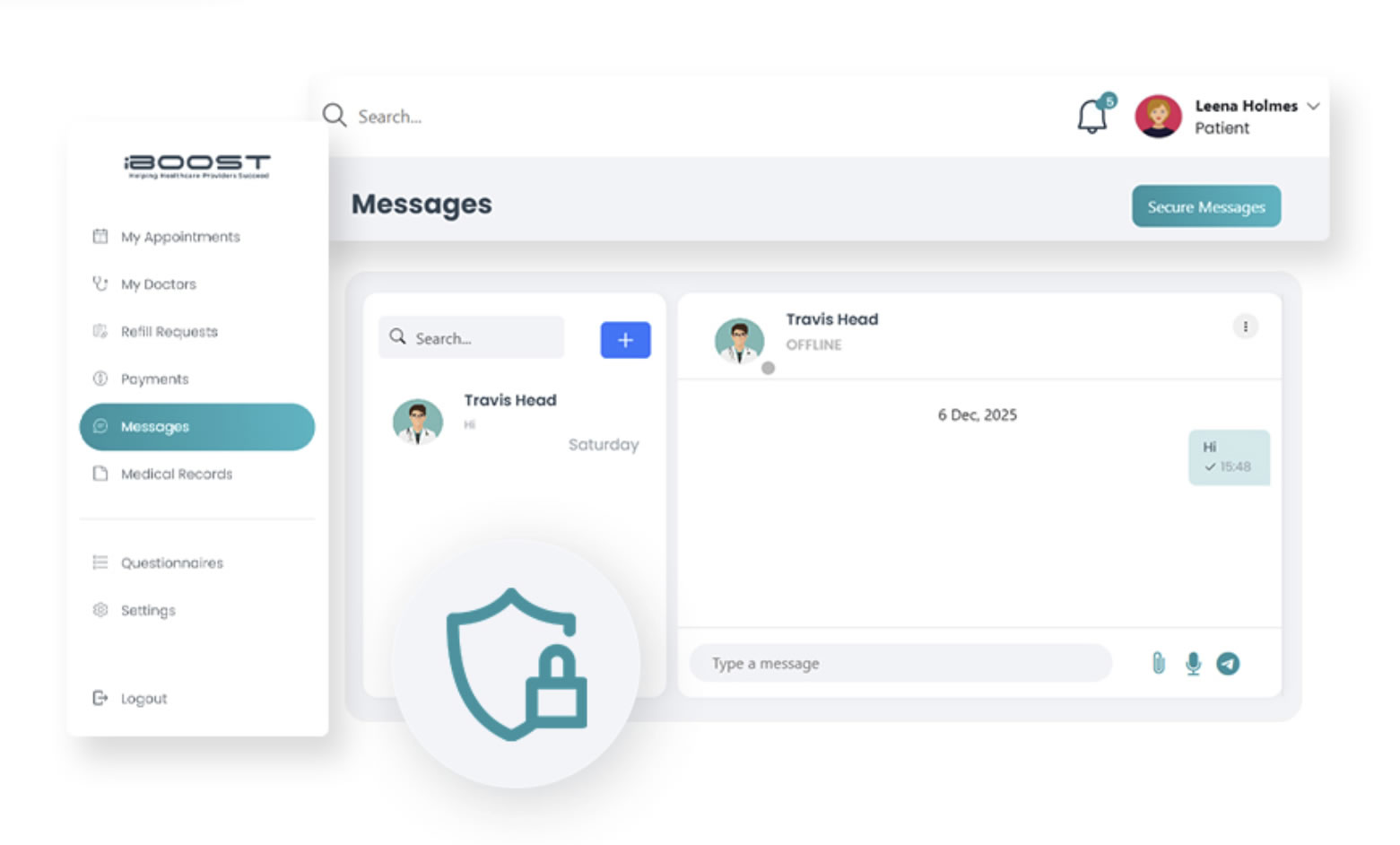
Every day, your scheduling system handles names, phone numbers, medical concerns, and insurance details. That's a lot of sensitive information running through one process. If the protections aren't there, you could be inviting a data breach. Scheduling patient appointments is simple, but the security side of it isn't. The team at iBoost Healthcare helps medical practices figure out how to stay convenient without gambling on patient privacy or regulatory compliance. A HIPAA-compliant scheduler keeps you out of trouble, and shows patients you're serious about protecting their information. Keep reading to find out what makes a scheduling tool compliant and why consumer-grade software falls short for medical appointments.
The Health Insurance Portability and Accountability Act sets specific standards that any software handling protected health information must meet, and scheduling tools are no exception. What does HIPAA actually require? Covered entities have to put administrative, physical, and technical safeguards in place to protect patient data from unauthorized access or disclosure. When it comes to patient scheduling software, you need end-to-end encryption during data transmission, secure authentication protocols, and audit logs detailed enough to show every interaction with patient records. The vendor providing your scheduling platform must also sign a Business Associate Agreement, which legally binds them to maintain the same privacy and security standards your practice must uphold. A lot of healthcare professionals assume any digital calendar can handle appointment booking. HIPAA doesn't see it that way. There's a clear line drawn between general productivity tools and systems that manage medical information. Your scheduling software needs automatic logoff features, role-based access controls, and backup systems that protect data during outages or cyberattacks. Without these protections built into your scheduling workflow, you've left the front door wide open.
Free tools like Google Calendar or Apple Calendar weren't designed with healthcare privacy regulations in mind. They work fine for personal use, but for medical practices, they're a liability. These platforms lack the encryption standards, access controls, and audit capabilities that HIPAA requires, and every appointment scheduled through them could be a compliance violation. Your staff can be as careful as possible, and it won't matter. The danger runs deeper than regulatory penalties, too. Consumer-grade tools store data on servers that don't meet healthcare security standards, and the companies behind them aren't obligated to notify you if a breach occurs. When you book an appointment that includes a patient's name and their reason for visiting, you've linked identifiable information to health concerns. That triggers full HIPAA protection requirements. Many practices don't realize that something as simple as an appointment note saying "follow up on test results" constitutes protected health information under the law. Using free tools also means you lack the documentation needed to prove compliance during an audit, which leaves your practice exposed to accusations of willful neglect if something goes wrong. The convenience of these familiar platforms comes with hidden costs that far exceed savings on software subscriptions.
Your patients share deeply personal information with your practice, and they expect you to guard it with the same care you bring to their treatment. Every interaction affects their perception of your professionalism, and scheduling is one of the first touchpoints they'll have with you. When patients see you've invested in secure systems and take their privacy seriously, they're more likely to be honest about symptoms, follow through with appointments, and recommend your practice to friends and family. A data breach breaks the implicit promise you made when patients trusted you with details about their health, families, and finances. Website design for healthcare professionals must account for this trust factor. Scheduling portals need to reassure visitors that their information is safe from the moment they arrive on your site. Patients today are more aware of digital privacy risks than ever, and many evaluate whether a practice takes cybersecurity seriously before booking their first appointment. The way you handle scheduling sends a message about how you'll take care of everything else.
Not all scheduling platforms that claim HIPAA compliance deliver on that promise, so you need to know what features distinguish legitimate options from marketing hype. True compliance starts with encryption that protects data in transit and at rest, meaning your patient information stays scrambled whether it's moving between devices or sitting in storage. Automatic session timeouts prevent unauthorized access when staff members step away from their workstations, and comprehensive audit trails create a permanent record of every action taken within the system. Look for platforms that offer secure patient portals where individuals can request appointments without exposing their information. Reliable backup and disaster recovery capabilities make sure you can restore your schedule and patient data if hardware fails or ransomware strikes your network. Website design for healthcare professionals should incorporate these secure scheduling features into the patient experience to create a seamless connection between your online presence and your practice management systems. The best platforms also provide routine security updates and compliance monitoring tools that help you stay ahead of evolving threats and changing regulations.
Protecting patient information during the scheduling process isn't optional for healthcare practices that want to remain compliant, credible, and competitive in today's market. The risks of using inadequate tools go far beyond fines and penalties. Consequences of failure could include damaged patient relationships, legal exposure, and reputational harm that take years to repair. Every practice needs scheduling software that's built from the ground up to meet healthcare privacy standards. At iBoost Healthcare, we help medical practices implement digital solutions that protect sensitive data while maintaining the user experience patients expect. Our team understands the challenges healthcare professionals face when balancing regulatory requirements with workflow. Contact iBoost Healthcare today to evaluate your current scheduling system and find out how the right tools can strengthen your compliance level and your patient relationships.
Get in touch with us for professional website and SEO services.

If you are operating or managing a dental practice, then you know that patient acquisition and retention are the number one priority for growing your…

Today's dermatology clinics face the challenge of standing out and attracting more patients. While the demand for skincare and aesthetic services is on the rise,…

Today, healthcare providers face the unique challenge of harnessing the power of call tracking without violating the Health Insurance Portability and Accountability Act. The stakes…